

About PAH

About ADCIRCA®(tadalafil)

What is ADCIRCA® (tadalafil)?


ADCIRCA (pronounced AD-SUR-KUH) is a prescription medicine called a phosphodiesterase 5 inhibitor (PDE-5i) used to treat pulmonary arterial hypertension (PAH, high blood pressure in your lungs) to improve exercise ability.

  • After 16 weeks of treatment, patients taking ADCIRCA increased their 6-minute walk distance (6MWD) by an average of 33 meters, or 108 feet compared to patients taking placebo (sugar pill)
  • ADCIRCA is the only PDE-5i for PAH taken once-daily
  • It is not known if ADCIRCA is safe or effective in children
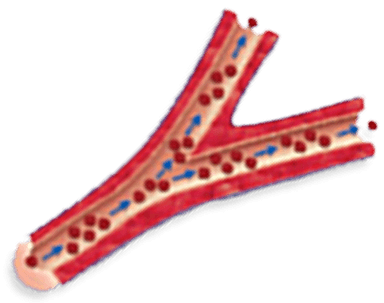
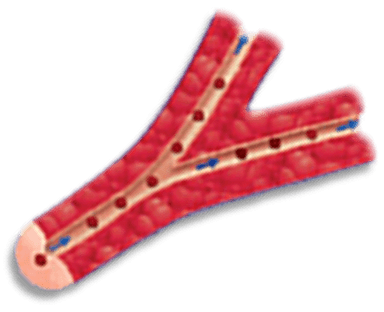
Illustration of a Healthy Blood Vessel

Healthy blood vessels

Illustration of a PAH-Affected Blood Vessel

PAH-affected blood vessels

How it Works

ADCIRCA treats PAH by increasing the amount of a natural substance in your blood vessels, which helps widen them. When the vessels are widened, blood can flow more easily through your lungs, where it picks up oxygen.

As a result, your blood can better carry oxygen to the rest of your body. The heart and lungs no longer have to work as hard, which improves your ability to exercise.

How ADCIRCA® (tadalafil) may help you

ADCIRCA was shown to improve exercise ability in patients with PAH in a large 16-week clinical study. Patients taking ADCIRCA:

  • Increased their 6-minute walk distance (6MWD) after 16 weeks of treatment by an average of 33 meters, or 108 feet compared to patients taking a placebo (sugar pill).
  • Experienced less clinical worsening* than patients taking a placebo.

This study included mainly patients with NYHA Functional Class II–III symptoms who had idiopathic PAH (PAH of an unknown cause) or heritable PAH (a family history of PAH) (61% of patients), or PAH associated with connective tissue diseases (23%), such as scleroderma

*Clinical worsening is defined as death, lung transplantation, atrial septostomy, hospitalization because of worsening PAH, initiation of new PAH therapy, or worsening of NYHA functional class.

Improve exercise ability


Increase 6 minute walk distance


Lessen clinical worsening

ADCIRCA® (tadalafil) Most Common Side Effects

Headache

Muscle pain

Getting red or hot in the face (flushing)

Pain in the arms, legs or back

Nausea or upset stomach

Stuffy or congested nose

These are not all the possible side effects of ADCIRCA. For more information about ADCIRCA, please see the Full Prescribing Information and Patient Information. You can also ask your healthcare provider or pharmacist. Call your healthcare provider for medical advice about side effects. You are encouraged to report negative side effects to the FDA at www.fda.gov/medwatch or call 1-800-FDA-1088.

FAQs

For answers to common questions about ADCIRCA

Never take ADCIRCA with any nitrate medicine or guanylate cyclase stimulator:

  • Your blood pressure could drop quickly to an unsafe level
  • You could get dizzy, faint, or even have a heart attack or stroke

Nitrates include:

  • Medicines that treat chest pain (angina)
  • Nitroglycerin in any form, including tablets, patches, sprays, and ointments
  • Other nitrate medicines (isosorbide mononitrate or dinitrate)
  • Recreational drugs that are inhaled, called “poppers” (amyl nitrate, butyl nitrate, or butyl nitrite)

Guanylate cyclase stimulators include:

  • Riociguat (Adempas®) a medicine that treats pulmonary arterial hypertension and chronicthromboembolic pulmonary hypertension

Ask your healthcare provider or pharmacist if you are not sure whether you take a nitrate medicine or guanylate cyclase stimulator medicine.

ADCIRCA may improve exercise ability. In the large clinical study for ADCIRCA, after 16 weeks of treatment, patients taking ADCIRCA increased their 6-minute walk distance (6MWD), or the distance they were able to walk in 6 minutes, by an average of 33 meters, or 108 feet.
Studies establishing effectiveness included predominately patients with NYHA Functional Class II–III symptoms and etiologies of idiopathic PAH (PAH of an unknown cause) or heritable PAH (a family history of PAH) (61%) or PAH associated with connective tissue diseases (23%).
View All FAQs

Need support with your PAH treatment? United Therapeutics Cares™ can help!

Resources


Here you will find additional resources on pulmonary arterial hypertension (PAH), including PAH organizations and community groups, and downloadable resources to support your treatment with ADCIRCA.